%2Ffit-in%2F250x250%2Fguide_websites%2F2026%2Fimages%2F172088237398199c899fb-bc58-4ce7-adc3-d63e2f93afb7.jpeg&w=1920&q=100)
/users/f0cad431-3aa3-4a63-a2ad-136569a8f5bb/ratecard/1b0075ea-10c3-41e4-9002-90fd075d6d82.jpg)
%2F300x300%2Fusers%2Ff0cad431-3aa3-4a63-a2ad-136569a8f5bb%2Fratecard%2F1b0075ea-10c3-41e4-9002-90fd075d6d82.jpg&w=256&q=75)
%2F300x300%2Fusers%2Ff0cad431-3aa3-4a63-a2ad-136569a8f5bb%2Fimages%2Fsuccessful-fishing-trip-nc-2594.jpg&w=256&q=75)
%2F300x300%2Fusers%2Ff0cad431-3aa3-4a63-a2ad-136569a8f5bb%2Fimages%2Fredfish-caught-nc-2690.jpg&w=256&q=75)
%2F300x300%2Fusers%2Ff0cad431-3aa3-4a63-a2ad-136569a8f5bb%2Fimages%2Fspotted-weakfish-wanchese-fishing-2566.jpg&w=256&q=75)
%2F300x300%2Fusers%2Ff0cad431-3aa3-4a63-a2ad-136569a8f5bb%2Fimages%2Fspotted-weakfish-wanchese-2639.jpg&w=256&q=75)
%2F300x300%2Fusers%2Ff0cad431-3aa3-4a63-a2ad-136569a8f5bb%2Fimages%2Fblue-marlin-wanchese-fishing-2655.jpg&w=256&q=75)
%2F300x300%2Fusers%2Ff0cad431-3aa3-4a63-a2ad-136569a8f5bb%2Fimages%2Ffishing-nc-adventure-2571.jpg&w=256&q=75)
%2F300x300%2Fusers%2Ff0cad431-3aa3-4a63-a2ad-136569a8f5bb%2Fimages%2Fsheepshead-catch-wanchese-2765.jpg&w=256&q=75)
%2F300x300%2Fusers%2Ff0cad431-3aa3-4a63-a2ad-136569a8f5bb%2Fimages%2Fredfish-wanchese-fishing-2685.jpg&w=256&q=75)
%2F300x300%2Fusers%2Ff0cad431-3aa3-4a63-a2ad-136569a8f5bb%2Fimages%2Fbest-spotted-weakfish-catch-wanchese-2586.jpg&w=256&q=75)
%2F300x300%2Fusers%2Ff0cad431-3aa3-4a63-a2ad-136569a8f5bb%2Fimages%2Fredfish-catch-north-carolina-2709.jpg&w=256&q=75)
Afternoon OBX Fishing: 4-Hour Inshore Charter
 Outer Banks
What you will be catching:
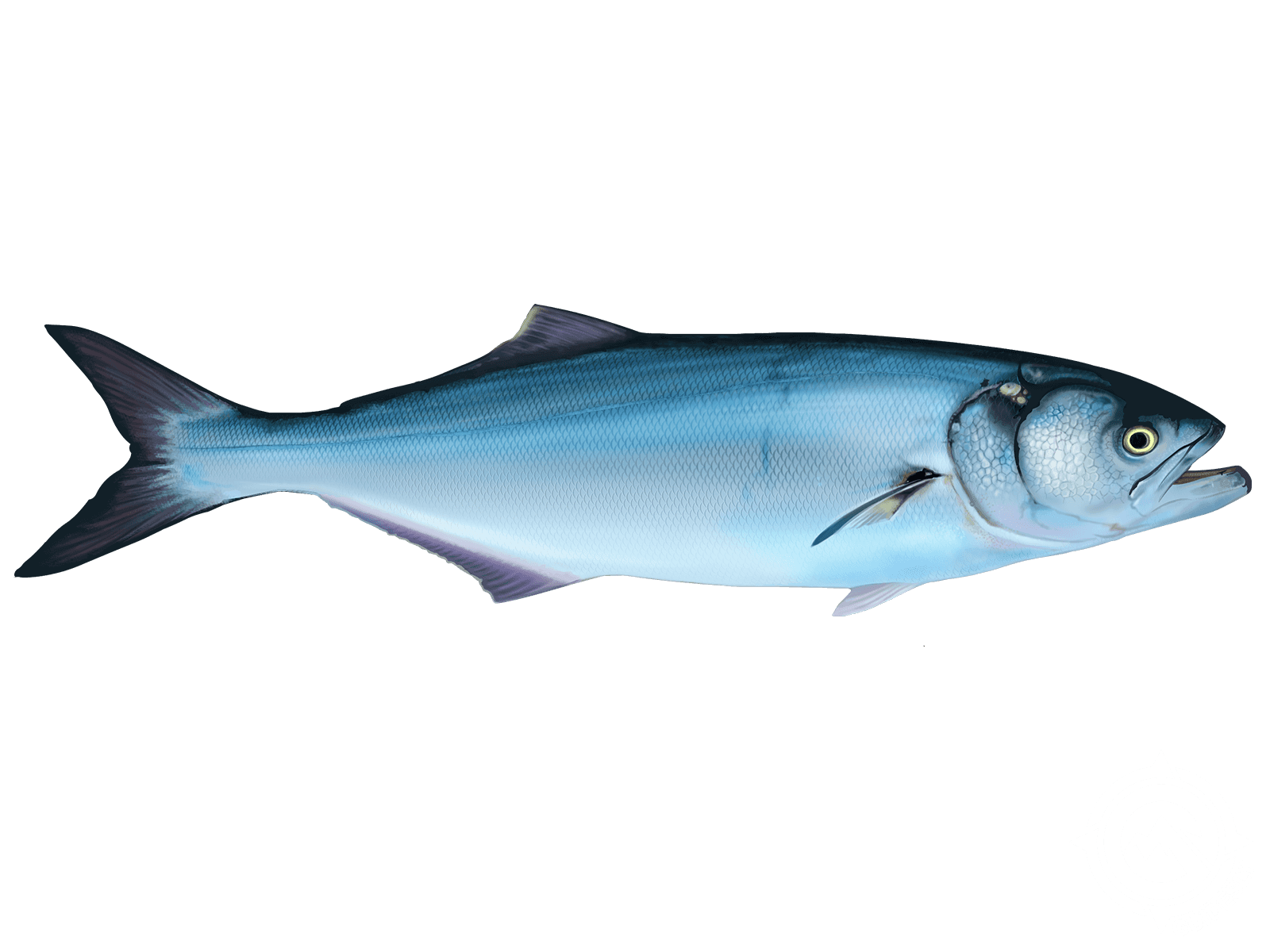
 Bluefish
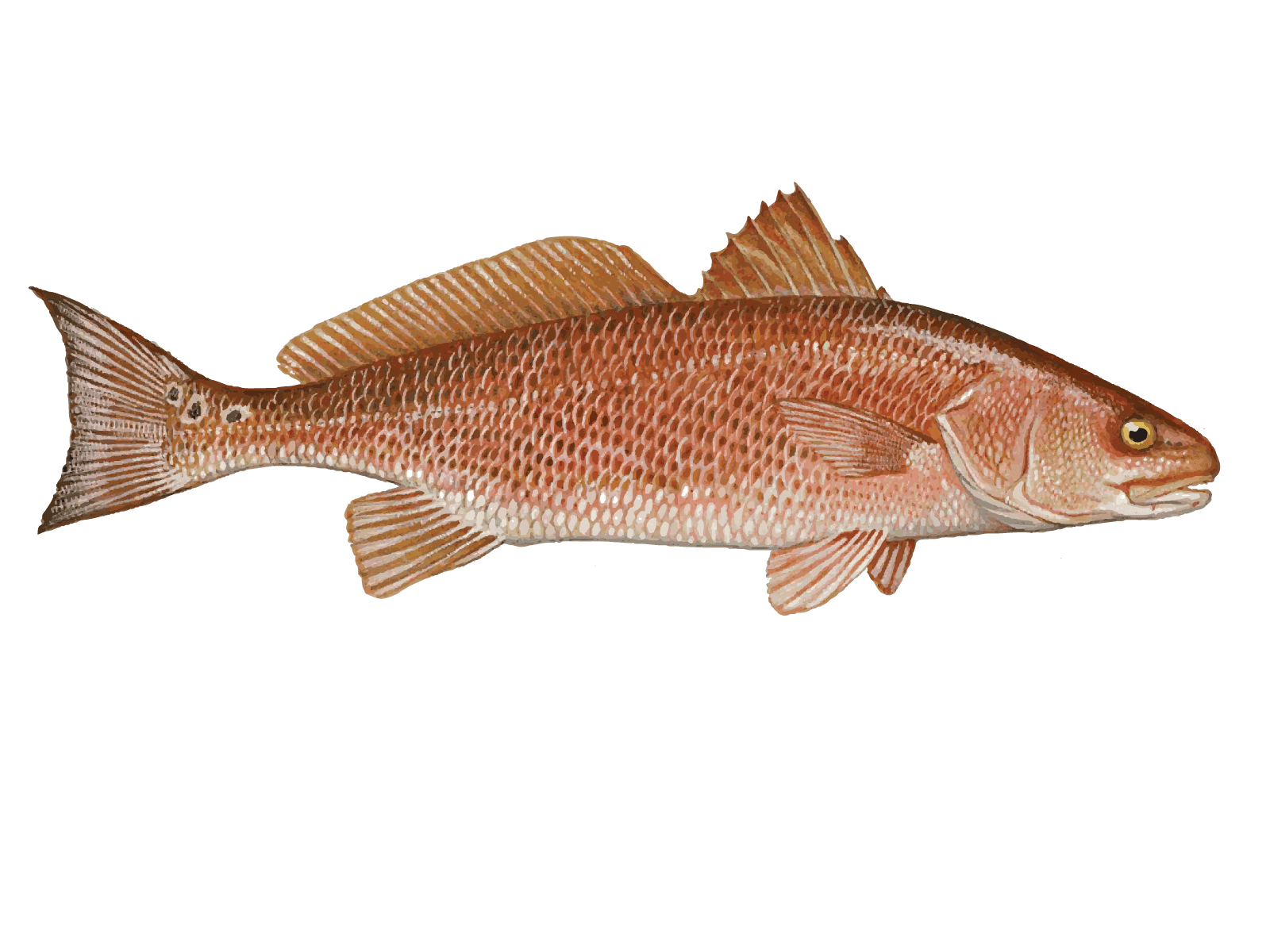
 Redfish
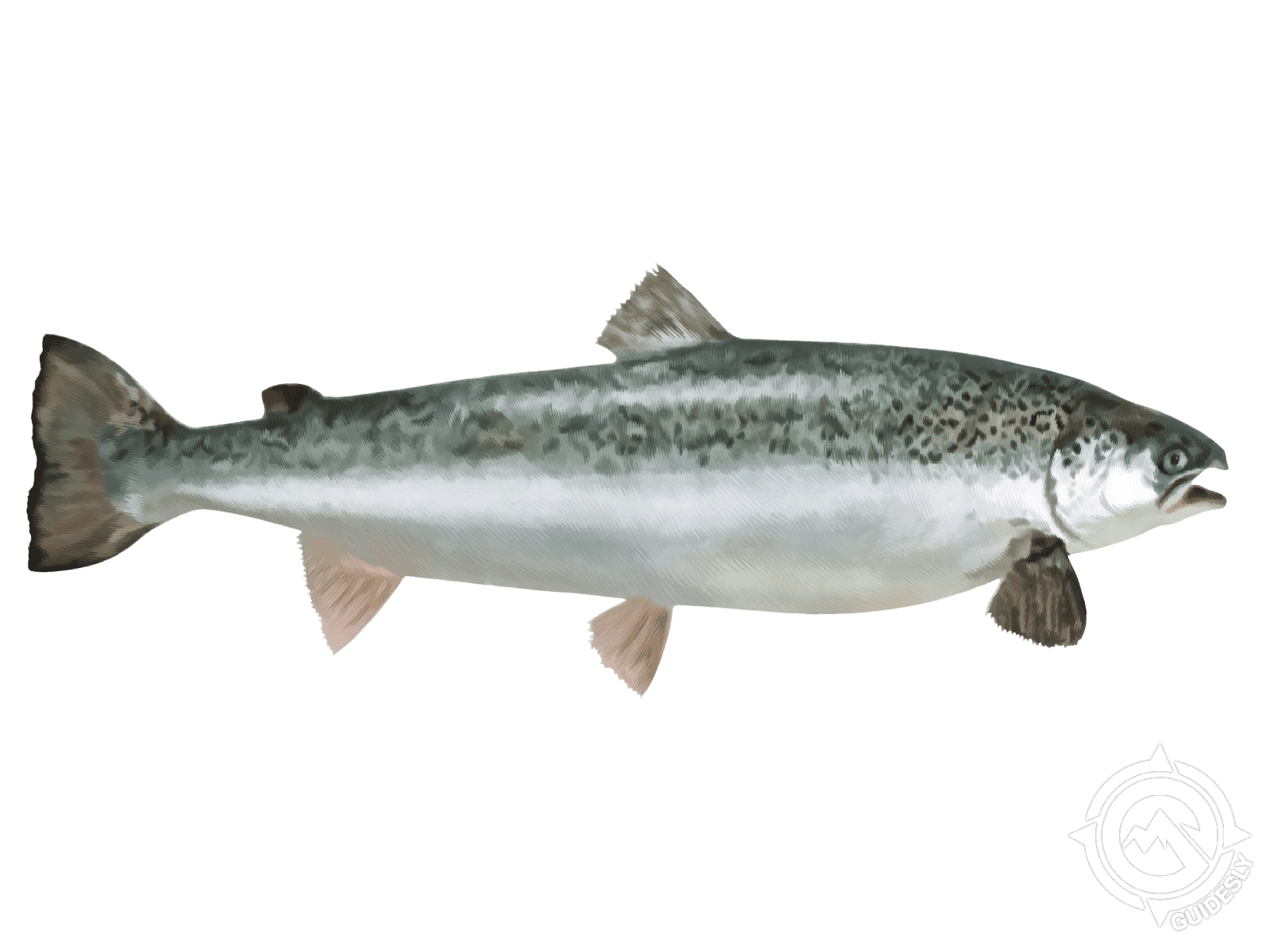
 Sea Trout
 Sheepshead
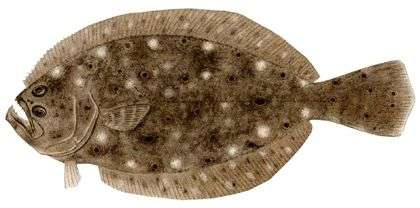
 Summer Flounder
- Four-hour afternoon charter accommodates up to 4 anglers
- Targets redfish, speckled trout, and flounder in inshore waters
- Expert local guide provides fishing expertise and area knowledge
Trip Pricing and Availabilities:
Outer Banks Inshore Fishing Charter | Half Day PM
Looking for the perfect afternoon fishing trip without that brutal early morning alarm? This half-day PM charter with Old North State Fishing hits the sweet spot for anglers who want quality time on the water but prefer sleeping in or have other vacation plans earlier in the day. You'll get four solid hours chasing some of the Outer Banks' best inshore species while still having time for dinner plans or evening beach walks. With space for up to four anglers, it's a customer favorite for families and small groups who want a more relaxed approach to their fishing adventure.
What to Expect on the Water
This afternoon charter gives you the best of both worlds – no crack-of-dawn departure but plenty of action before the sun sets. The beauty of afternoon inshore fishing here is that you're hitting the water when many species are actively feeding in the shallows and around structure. The afternoon light creates perfect conditions for sight fishing, and you'll often find yourself casting to fish you can actually see cruising the flats. Your guide knows exactly where to position the boat based on tide, wind, and seasonal patterns, taking you to productive spots that produce consistent results. The four-hour window is perfectly timed to hit multiple areas without feeling rushed, giving everyone aboard plenty of opportunities to get their lines wet and experience different fishing techniques.
Techniques and Tackle
Inshore fishing in the Outer Banks is all about versatility, and your guide will have you covered with the right gear for whatever you encounter. Expect to use both live and artificial baits depending on what's working that day – cut bait for bottom feeders, live shrimp for trout and flounder, and topwater plugs when fish are feeding aggressively on the surface. Light to medium spinning tackle is the name of the game here, allowing you to feel every bite while still having enough backbone to handle bigger redfish or feisty bluefish. Your guide will teach you proper drift fishing techniques over structure, how to work soft plastics along drop-offs, and when to switch to bottom rigs for flounder. The shallow water environment means you'll be fishing in depths ranging from just a few feet to about 20 feet, making it perfect for anglers of all skill levels to learn and improve their technique.
Top Catches This Season
Bluefish are the scrappy fighters that'll give you a workout on light tackle. These aggressive predators travel in schools and when you find them, the action can be non-stop. They're most active during spring and fall migrations, but summer afternoons often produce excellent fishing around bait schools. What makes blues so exciting is their willingness to hit almost anything you throw at them – metal spoons, topwater plugs, or cut bait. They'll test your drag and put on quite a show with their acrobatic jumps.
Summer Flounder, or fluke as many locals call them, are the ultimate challenge for inshore anglers. These flatfish are masters of camouflage, lying in wait on sandy bottoms near structure or drop-offs. Peak season runs from late spring through early fall, and they require patience and technique to consistently catch. What gets anglers hooked on flounder fishing is the subtle bite and the reward of a quality dinner – these fish are absolutely delicious and can reach impressive sizes in Outer Banks waters.
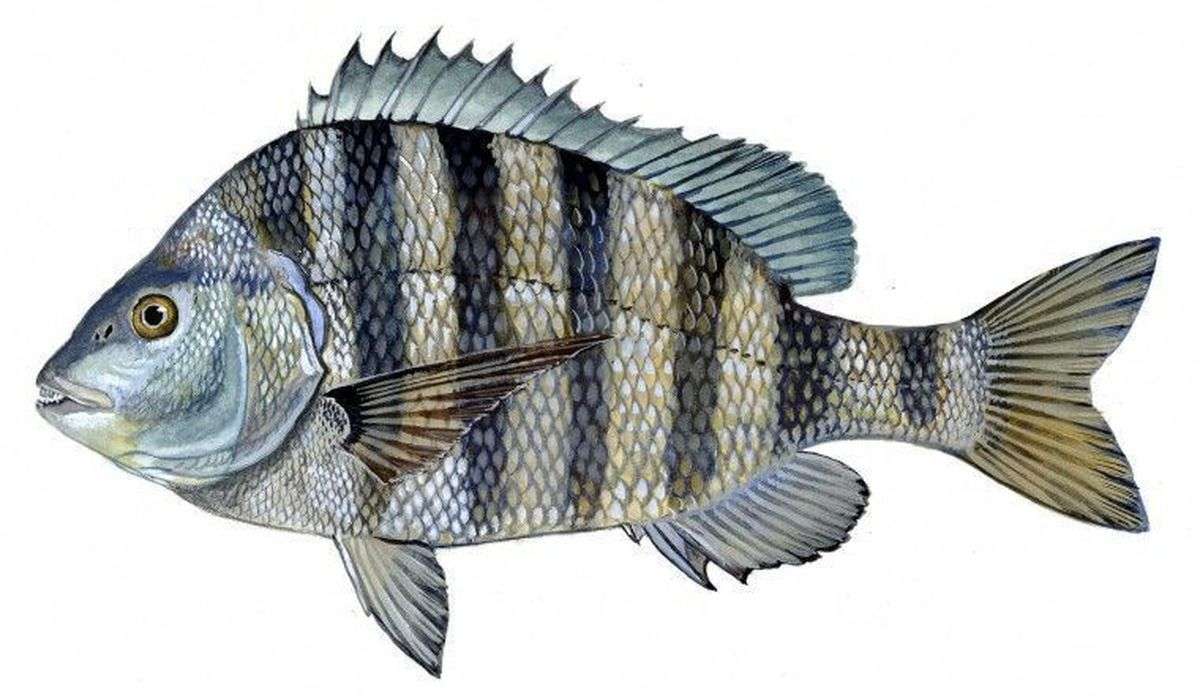
Sheepshead are the convict-striped fish that'll humble even experienced anglers with their incredible ability to steal bait. These fish have human-like teeth for crushing shellfish and require a completely different approach – you need to feel for the slightest tick on your line and set the hook immediately. They're most active around structure like docks, pilings, and rock piles during warmer months. Landing a nice sheepshead is considered a badge of honor among local anglers.
Sea Trout, specifically spotted seatrout, are a world-class gamefish that locals simply call "specks." They're beautiful fish with distinctive spots along their sides and provide excellent light-tackle action. Spring and fall offer the best opportunities for larger fish, while summer produces steady action with smaller schooling trout. They're known for their soft mouths, so keeping steady pressure without horsing them in becomes crucial. Many anglers consider them the best eating fish in these waters.
Redfish are the crown jewel of Outer Banks inshore fishing, and for good reason. These copper-colored drums can grow massive in these waters and provide heart-stopping fights in shallow water. What makes reds special here is their willingness to feed in extremely shallow water – sometimes with their backs exposed – creating sight-fishing opportunities that rival any saltwater destination. Fall is prime time for big bulls, while summer offers consistent action with slot-sized fish perfect for the dinner table.
Time to Book Your Spot
This top-rated afternoon charter delivers exactly what most anglers want – quality fishing time without sacrificing your entire day. The four-hour window gives you enough time to explore different spots and techniques while leaving room for other vacation activities. Remember that gratuity isn't included in your trip rate, so plan to tip your guide for sharing their local knowledge and putting you on fish. With only four spots available, these afternoon trips book up quickly, especially during peak season. Whether you're a seasoned angler looking for a relaxed afternoon or a family wanting to introduce kids to saltwater fishing, this charter strikes the perfect balance between action and convenience.
Learn more about the species
Bluefish
Bluefish are aggressive feeders that show up in our waters from late spring through fall, usually running 3-8 pounds with some reaching 15+ pounds. These silver-blue torpedoes hunt in schools and put up a solid fight once hooked. You'll find them around structure, inlet mouths, and over sandy bottom in 10-30 feet of water. They're not picky eaters - cut bait, live menhaden, or metal spoons all work well. Summer and early fall are prime time when they're feeding heavily before their winter migration south. What guests love most is the consistent action and their willingness to bite. The meat's excellent when fresh - just bleed them right away and keep on ice. Pro tip: when you see birds diving and water churning, that's usually bluefish in a feeding frenzy. Get your lure in there fast and hang on.
Redfish
Redfish are the copper-colored bulldogs of the shallows, easily spotted by their distinctive black spot near the tail. Most run 18-27 inches and 3-8 pounds, though we see plenty of bigger "bull reds" in the 30+ inch range. These fish cruise super shallow flats, marsh edges, and around oyster bars in just 1-4 feet of water - sometimes so shallow their backs stick out. Year-round fishing is good here, but spring and fall are peak times when they're most active. What guests love is watching them cruise the shallows and the explosive strikes when they hit. They're strong fighters that make long runs and great table fare when kept within slot limits. The secret is sight fishing with topwater plugs early morning, or working cut bait and live shrimp around structure. When you see them tailing in skinny water, cast ahead of their path and work your lure slowly back - patience pays off with these smart fish.
Sea Trout
Speckled trout are one of our most popular targets - beautiful silver fish with distinctive black spots that typically run 14-18 inches and 1-3 pounds. The bigger "gator trout" over 20 inches are real trophies around here. These fish love grass flats, shallow bays, and oyster bars in 2-8 feet of water, especially during moving tides. Spring through fall offers the best action, with late evening and early morning being prime time. Guests appreciate their willingness to hit both live bait and artificials, plus they make excellent table fare with delicate, flaky white meat. They're not the strongest fighters but they're plentiful and fun to catch. The trick is working the grass flats quietly with soft plastics, topwater plugs at dawn, or live shrimp under a popping cork. During colder months, look for them in deeper channels where they school up waiting for warmer water.
Sheepshead
Sheepshead are the "convict fish" of our waters with their black and white stripes, and they're built like underwater bulldozers. Most run 2-5 pounds and 12-18 inches, but we catch plenty in the 6-8 pound range around here. These guys live around any hard structure - bridge pilings, docks, rock piles, and oyster bars where they munch on barnacles and crabs. Spring and fall are your best bets when water temps are moderate. What makes them fun is they're notorious bait thieves with those human-like teeth, so you need to stay sharp. The reward is some of the sweetest, flakiest white meat you'll ever taste. Use small hooks with fresh shrimp, fiddler crabs, or barnacles, and get your bait right against the structure - they won't move far from cover. When you feel that subtle nibble, set the hook hard and fast before they strip your bait clean.
Summer Flounder
Summer flounder are the masters of disguise on our sandy and muddy bottoms. These flatfish typically run 15-20 inches and 2-4 pounds, though we see plenty of "doormat" fluke pushing 5-8 pounds. They lie buried in sand waiting to ambush baitfish, so you'll find them around structure transitions, channel edges, and drop-offs in 8-25 feet of water. Fall fishing from September through November is prime time when they're feeding heavily before moving offshore. Guests love the challenge - they're light biters that require patience, but the payoff is some of the best eating fish in the ocean. White, flaky meat that's hard to beat. The key is keeping your bait moving slowly along the bottom with a bucktail jig tipped with strip bait or live minnows. Feel for that subtle tap-tap, then wait a beat before setting the hook - they like to grab bait sideways.